Table of Content
Infection prevention and control principles for adult social care settings in England, to be used with guidance on managing specific infections. Hospitals see an incredible number of patients each day for a variety of illnesses, injuries and ailments, and this diverse landscape of pathogens naturally create a high-risk environment for germ transmission. Resources dedicated solely to infection prevention and control in nonacute care settings are limited. A new book from Joint Commission Resources — “Infection Prevention and Control in Nonacute Care Settings” — highlights IPC challenges in home care organizations. People have contact with multiple health and social care services.

By following the proper procedures, the risk for infection becomes greatly reduced. The regulations require service providers to assess the risk of, and prevent, detect and control the spread of infection. They further require any equipment and premises be kept clean, and that cleaning be done in line with current legislation and guidance. IPC champions have been advocates for promoting good infection control practices and driving local initiatives. Champions networks have been developed locally, nationally and within provider organisations. CQC must take the code of practice on the prevention and control of infections into account when making regulatory decisions.
Six Tips for Home Health Infection Prevention & Control
Infection control professionals should approach their responsibility to guide home-care providers by first addressing educational needs. Knowledge of infection control principles enables home-care providers to develop their own approaches to patient care and make decisions about infection risk and its reduction. Some of these practices are not only unnecessary but also costly (e.g., routine changing of urinary drainage bags every 30 days). Without valid data on the incidence of home-care acquired infection and analysis of risk factors, developing control efforts is difficult. Thus, initial resources must be directed toward developing measurement systems.
Providing the information in advance of the person using a health and care service allows that service to risk assess and plan the person’s care. In the event of a spillage of body fluids, keep people away from the area until removed. Use separate containers for transporting clean laundry, and used or infectious laundry, and wash infectious laundry separately. Opening windows on different sides of a room will allow greater airflow. Where possible, opening external doors can improve ventilation. However, this may present security and safety issues, so would need proper consideration and risk assessment.
FAQs about the Standards
Prepare medications in a designated clean medication preparation area that is separated from potential sources of contamination, including sinks or other water sources. Follow manufacturers’ instructions for proper use of cleaning and disinfecting products (e.g., dilution, contact time, material compatibility, storage, shelf-life, safe use and disposal). The impact of compliance on quality outcomes in the home infusion population. Links with this icon indicate that you are leaving the CDC website.The Centers for Disease Control and Prevention cannot attest to the accuracy of a non-federal website. Before sharing sensitive information, make sure you’re on a federal government site. Why Work With Us See how our expertise and rigorous standards can help organizations like yours.
Infection control starts the moment an employee or visitor enters a Nufactor facility. Caution is exercised at every potential point of contact including administrative offices. Thoughtful infection prevention strategies are exercised in every Nufactor infusion pharmacy workspace as well as in the home by nurses seeing our patients. While each individual state is ultimately charged with the facilitation of infection control policy, the federal government must be pulled into crisis situations. To be prepared for national and global pathological events, the CDC has established guidelines for a call-to-action, to lead the nation in the development of enhanced infection control measures, utilizing federal funds when needed.
Standard infection control precautions
Workers need to be aware of the person’s infection and how they should be supported. Workers should be aware of signs of infection in their clients, for example fever, diarrhoea or vomiting, and the more atypical signs in older people such as unexpected falls and confusion. Ensure people’s nutrition and hydration are maintained, and additional checks by staff may be required. The aim of isolation is to prevent spread of infection to others. How this aim is achieved will differ depending on the setting the person is in. People with invasive devices or wounds should have a documented plan of care, providing detailed guidance as to the care and management and monitoring for infection.
When threats to appropriate measures are noted, Nufactor is notified in order that thorough evaluation be conducted and corrective measures be taken. While most homes, pharmacies, and RN dwellings are not hot spots of infective processes, it is best to assume that each home infusion patient is at risk for infectious contamination. Instituting rigorous infection control measures in a standard manner assists in preventing the spread of unknown pathogens. There is a provision contained in the Health and Social Care Act 2008 for the Secretary of State to issue and keep under review a code of practice relating to the prevention and control of infections. The Secretary of State must, by regulations, impose requirements which they consider necessary to ensure registered care providers cause no avoidable harm to persons for whom the services are provided.
“Care” is in our name. Caring is in our blood.
There are several types of waste including recycling, household, offensive or hygiene, infectious, sharps and medicines. Where any doubt exists as to the classification of waste, the local authority or the Environment Agency should be consulted. A spillage is an accidental escape of substances into the environment.

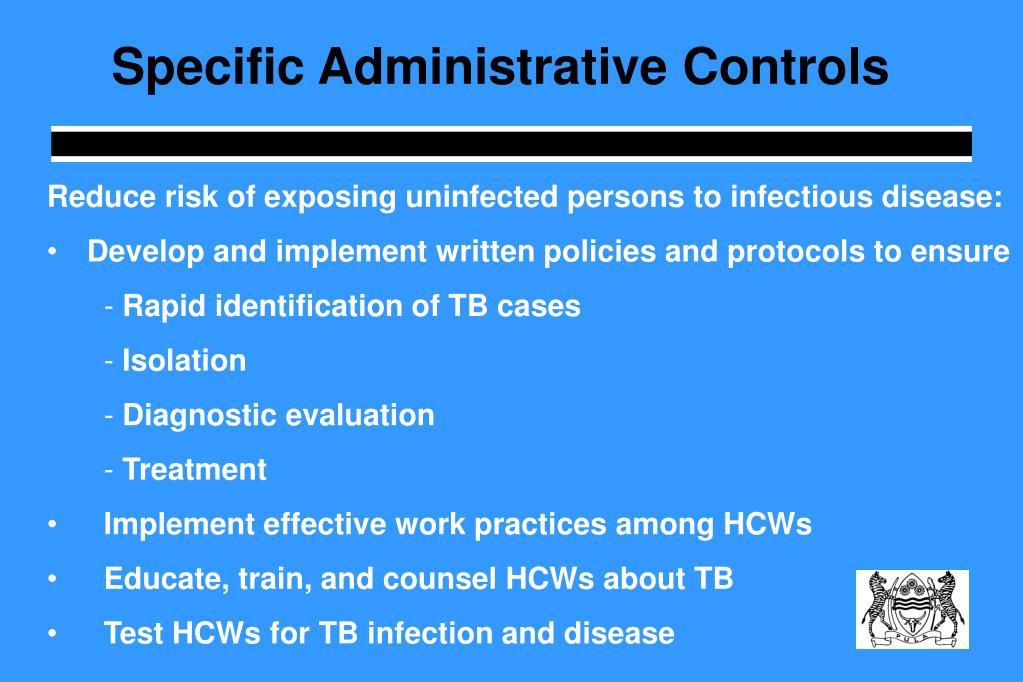
Provide appropriate infection prevention education to patients, family members, visitors, and others included in the caregiving network. Assign one or more qualified individuals with training in infection prevention and control to manage the facility’s infection prevention program. Prospective evaluation of risk factors for bloodstream infections in patients receiving home infusion therapy. Ms. Rhinehart, vice president of quality management for AIG Consultants, Inc., is a full-time health-care consultant. She is one of the principal authors of the revision of CDC's "Guidelines for Isolation Precautions in Hospitals" , which will be more applicable to home-care and other ambulatory-care settings.
Consideration should be given to having a smaller number of workers dedicated to supporting the person during their infectious period. Ideally this area will have its own toilet and washing facilities – where this is not possible, consider a routine for use and cleaning communal or shared facilities. Workers who have a confirmed or suspected infection which can be spread to others should not work until they are no longer at risk of passing on infection to others.
This document does not replace any clinical or public health advice. The information within this resource draws upon several sources including the National Institute of Health and Care Excellence , NHS, government departments and professional regulators. Providers registered with the Care Quality Commission must comply with the regulations and consider the Code of Practice for the prevention and control of infections in the delivery of their services.
In addition to following the package inserts for individual brands, strict standards are enacted through legislation to ensure that infection control measures are in place at every level of the dispensing process. The rationale and strategy for use of precautions in home care differ substantially from those applied in hospitals . In most cases, the use of gowns, gloves, and masks in the care of homebound patients is recommended to protect the health-care provider, not the patient. In addition to standard precautions, care givers in the home may need to use masks only when caring for patients with pulmonary tuberculosis.
Surveillance of intravenous catheter-related infections among home care clients. Select EPA-registered disinfectants that have microbiocidal activity against the pathogens most likely to contaminate the patient-care environment. Train performance monitoring personnel and use standardized tools and definitions. Guideline for prevention of intravascular device-related infections. Pioneers in Quality Gain an understanding of the development of electronic clinical quality measures to improve quality of care. The use of alcohol-based hand rubs or hand sanitizer should be limited to times when hand washing isn’t available.
Workers must follow professional advice from health protection teams or infection control teams to control the outbreak and support those infected, ensuring any recommended specimens are collected as directed and without delay. The decision to stop isolation should be assessed and decided based on individual factors. For example, those who are immunocompromised may shed pathogens for a longer period. Advice from clinicians or infection control teams should be sought as necessary.
Antibiotics do not work for viral infections such as colds and flu, and most coughs and sore throats. Sharps containers must be located in a safe position which reduces the risk of spillage. Containers should be taken to the point of use, and the temporary closing mechanism used when not in use. Yellow – infectious waste contaminated with medicines and/or chemicals.




No comments:
Post a Comment